- Business Process Management (BPM)Document Management System (DMS)Electronic Quality Management System (QMS)Risk, Governance & Compliance (GRC)Low Code Rapid Application Development (LC)Business Continuity Management (BCM)Enterprise Architecture (EA)Business Process Management (BPM)
 Document Management System (DMS)
 Electronic Quality Management System (QMS)
 Risk, Governance & Compliance (GRC)
 Low Code Rapid Application Development (LC)
 Business Continuity Management (BCM)
 Enterprise Architecture (EA)
- IndustriesRegulatory ComplianceUse CasesLearning CenterFramework & PracticesCorrective & Preventive Action (CAPA)IndustriesRegulatory Compliance
 Use CasesLearning CenterFramework & PracticesCorrective & Preventive Action (CAPA)
 - AboutCustomer SuccessPartnersAbout
 Customer SuccessPartners





Risk & Control Management
Please Select contact form.
Interfacing empowers your organization with efficient governance through process-based solutions for quality, performance, and compliance management.

Risk Control & Process Risk Management
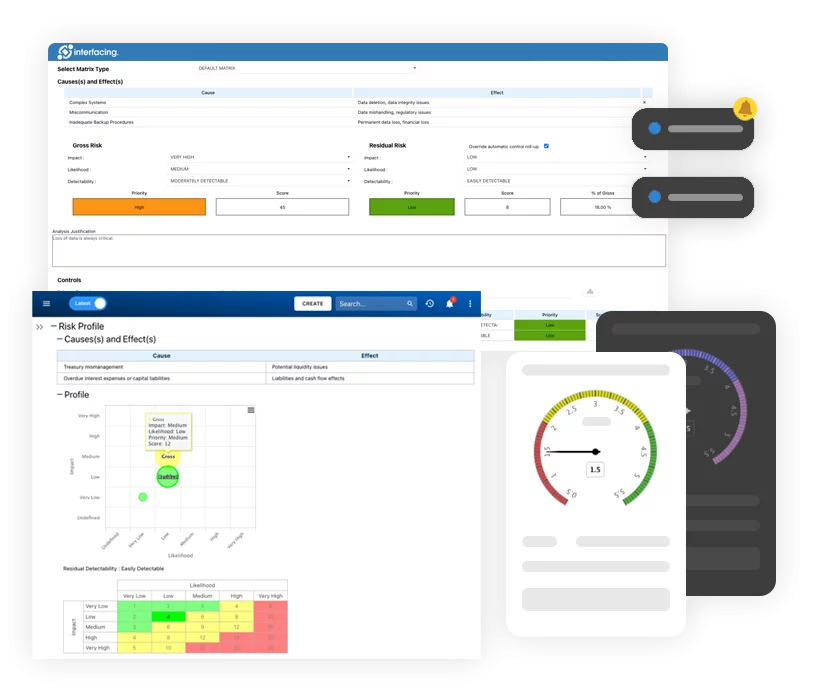
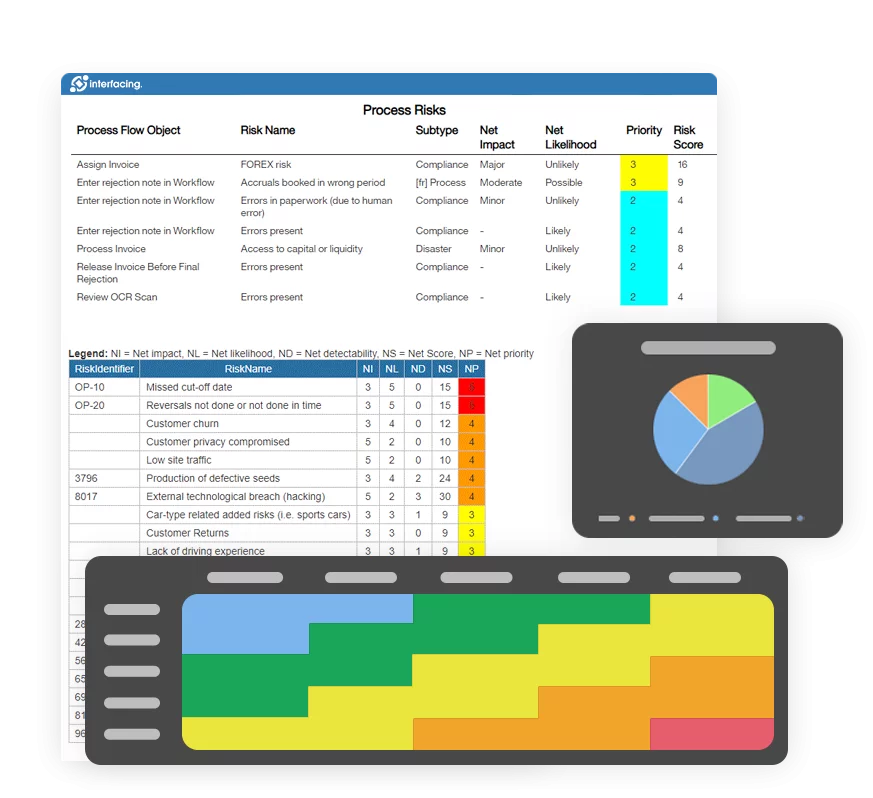
Enterprise Process Center® (EPC) facilitates organizations to be proactive vs. reactive when it comes to risk control and process risk management strategies. Not only is risk management important to protect against disaster striking, but by integrating controls into daily operations you can ensure that quality standards are met and customer satisfaction is maintained.


Total Risk Lifecycle Management

Process-oriented Risk Assessment & Control

Integrated Control Management

Risk & Control Monitoring
Total Risk Lifecycle Management

Process-oriented risk assessment & control


Integrated Control Management
Risk and Control Monitoring


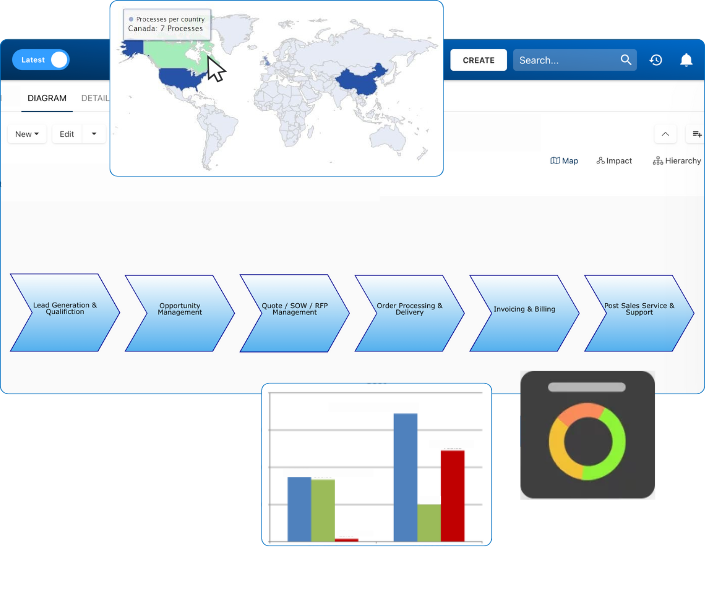
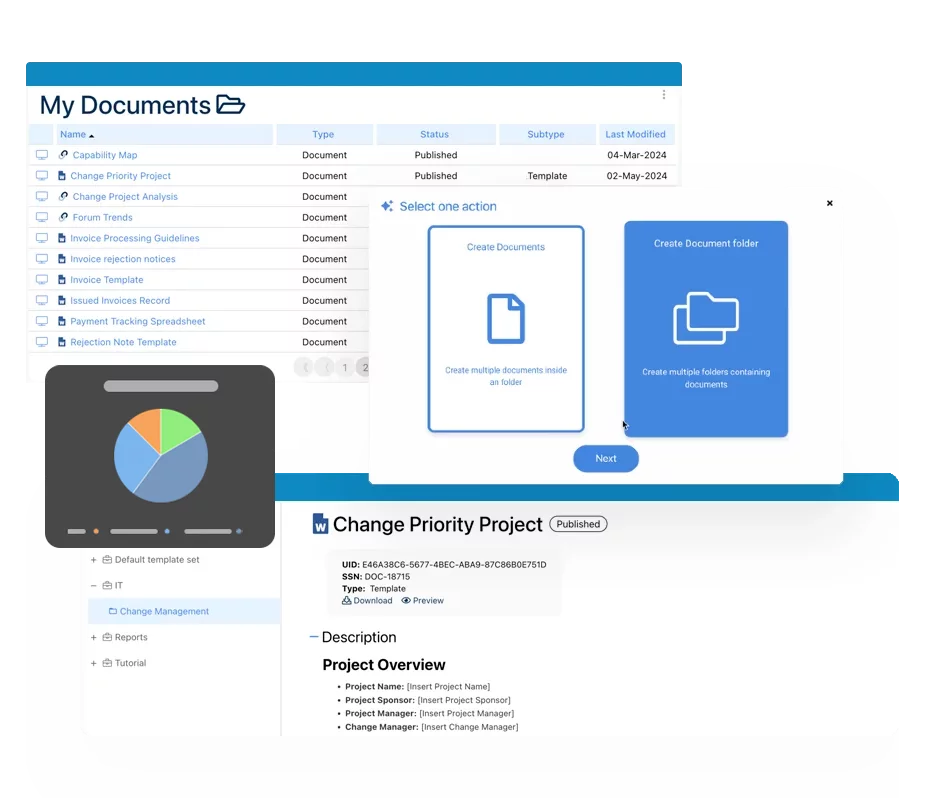
Documentation: Driving Transformation, Governance and Control
• Gain real-time, comprehensive insights into your operations.
• Improve governance, efficiency, and compliance.
• Ensure seamless alignment with regulatory standards.

eQMS: Automating Quality & Compliance Workflows & Reporting
• Simplify quality management with automated workflows and monitoring.
• Streamline CAPA, supplier audits, training and related workflows.
• Turn documentation into actionable insights for Quality 4.0

Low-Code Rapid Application Development: Accelerating Digital Transformation
• Build custom, scalable applications swiftly
• Reducing development time and cost
• Adapt faster and stay agile in the face of
evolving customer and business needs.
AI to Transform your Business!
The AI-powered tools are designed to streamline operations, enhance compliance, and drive sustainable growth. Check out how AI can:
• Respond to employee inquiries
• Transform videos into processes
• Assess regulatory impact & process improvements
• Generate forms, processes, risks, regulations, KPIs & more
• Parse regulatory standards into requirements