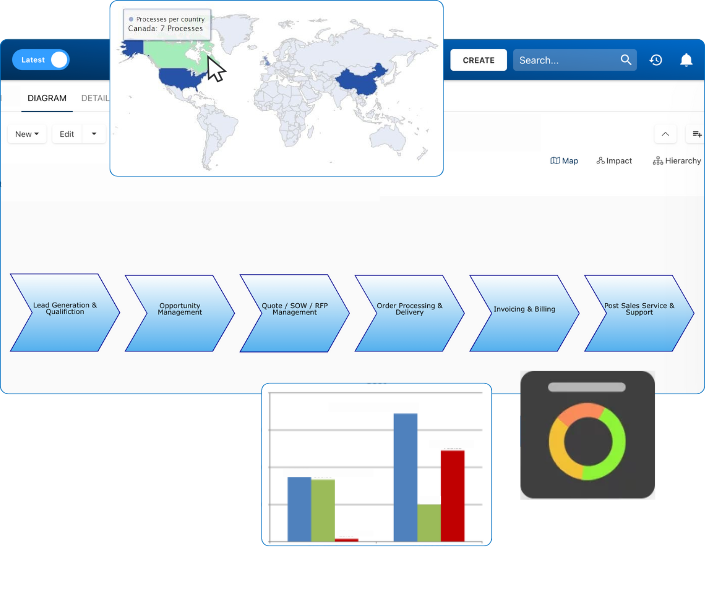
- Business Process Management (BPM)Document Management System (DMS)Electronic Quality Management System (QMS)Risk, Governance & Compliance (GRC)Low Code Rapid Application Development (LC)Business Continuity Management (BCM)Enterprise Architecture (EA)Business Process Management (BPM)
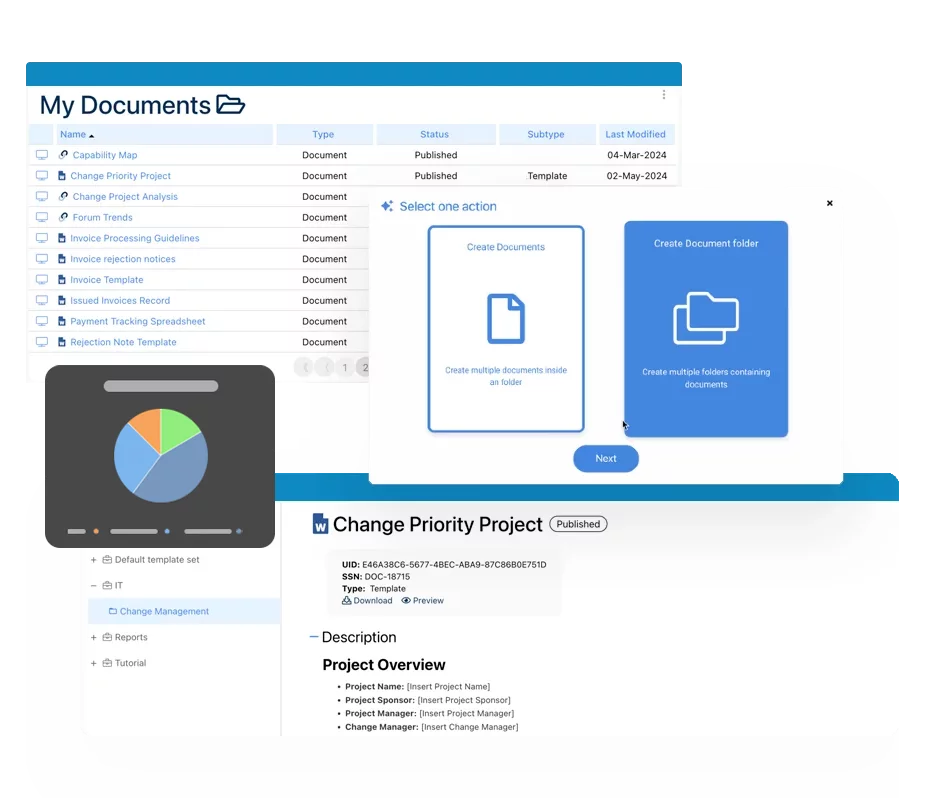
 Document Management System (DMS)
 Electronic Quality Management System (QMS)
 Risk, Governance & Compliance (GRC)
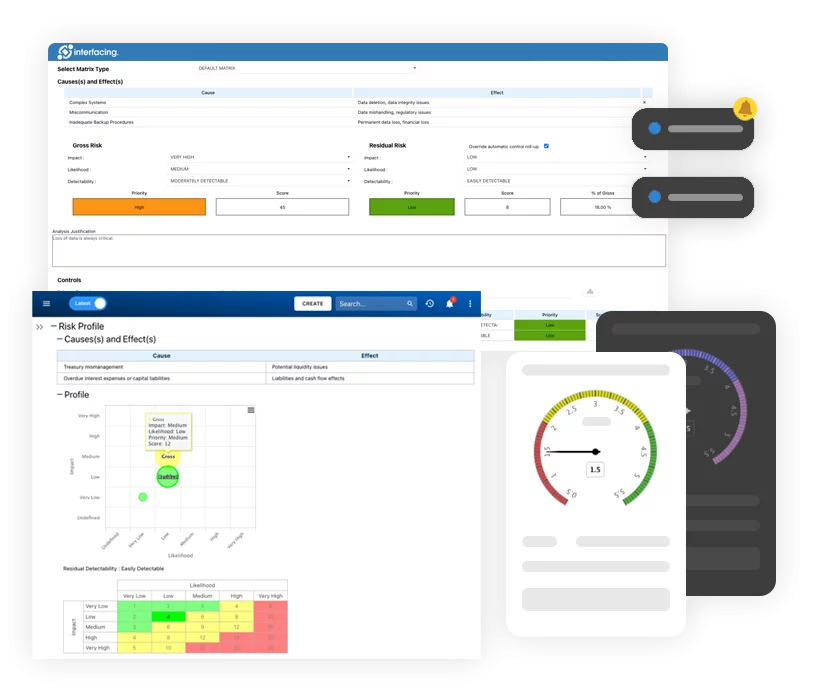 Low Code Rapid Application Development (LC)
 Business Continuity Management (BCM)
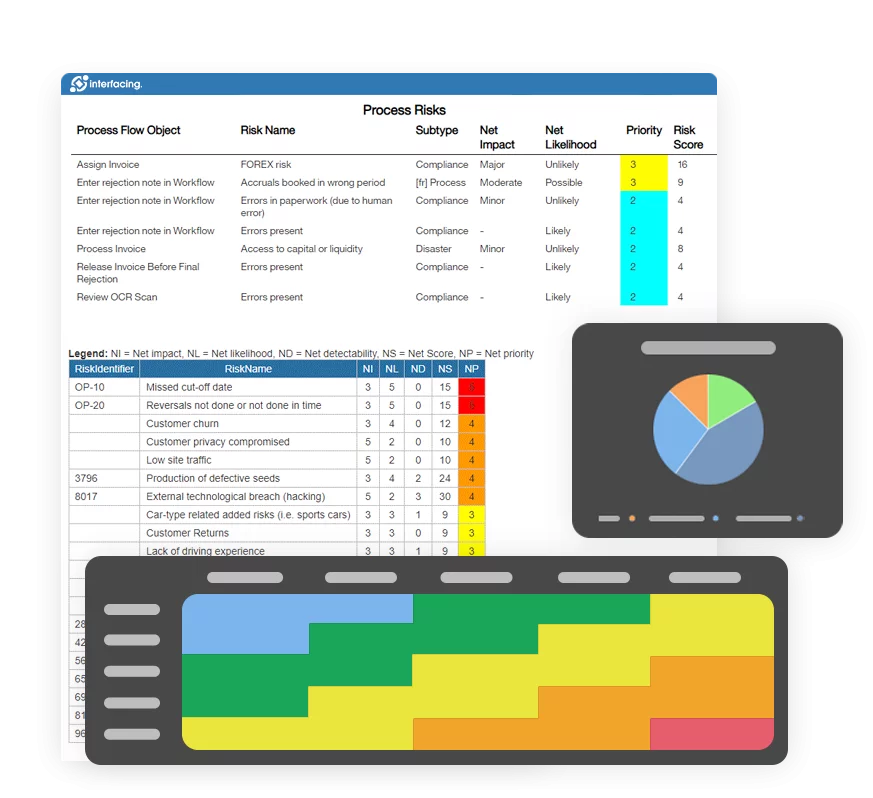 Enterprise Architecture (EA)
- IndustriesRegulatory ComplianceUse CasesLearning CenterFramework & PracticesCorrective & Preventive Action (CAPA)IndustriesRegulatory Compliance
 Use CasesLearning CenterFramework & PracticesCorrective & Preventive Action (CAPA)
 - AboutCustomer SuccessPartnersAbout
 Customer SuccessPartners






NIS2 Compliance: What Organizations Need to Know and How to Prepare in 2026
Please Select contact form.
How tighter requirements for risk, reporting, and supplier oversight will reshape your security and governance strategy.

Why NIS2 Matters
A common misconception is that NIS2 is purely a technical issue. In reality, it expands cybersecurity into a business-wide governance obligation. Boards and executives become accountable for oversight, training, and documented security practices. This shift reinforces a broader compliance trend across ISO 27001, DORA, GDPR, and industry-specific frameworks: regulators increasingly expect traceability, auditability, and embedded risk management. NIS2 also introduces:
- Mandatory incident reporting timelines
- Supply-chain due diligence expectations
- Tightened risk and control obligations
- Higher fines and personal liability for executives.
- Requirements for documentation, version control, and evidence tracking.
Organizations that treat compliance as a binder-based exercise will struggle. NIS2 demands operational proof, not static policies.


Who Must Comply
NIS2 applies to essential and important entities in sectors including:
- AI governance and risk management systems (RMS).
- Continuous compliance through post-market monitoring and auditing.
- Energy, water, waste management
- Transport, aviation, logistics
- Healthcare, pharmaceuticals, medical device manufacturing
- Digital infrastructure and service providers
- Finance, banking, and insurance
- Public administration and government-related services
Even companies outside these sectors may be affected if they are part of the supply chain of an essential entity. This challenges the common assumption that “NIS2 is only for large enterprises.” Mid-sized suppliers, IT service providers, and specialized operators are now directly in scope through supply-chain requirements.


Documentation: Driving Transformation, Governance and Control
• Gain real-time, comprehensive insights into your operations.
• Improve governance, efficiency, and compliance.
• Ensure seamless alignment with regulatory standards.

eQMS: Automating Quality & Compliance Workflows & Reporting
• Simplify quality management with automated workflows and monitoring.
• Streamline CAPA, supplier audits, training and related workflows.
• Turn documentation into actionable insights for Quality 4.0

Low-Code Rapid Application Development: Accelerating Digital Transformation
• Build custom, scalable applications swiftly
• Reducing development time and cost
• Adapt faster and stay agile in the face of
evolving customer and business needs.
AI to Transform your Business!
The AI-powered tools are designed to streamline operations, enhance compliance, and drive sustainable growth. Check out how AI can:
• Respond to employee inquiries
• Transform videos into processes
• Assess regulatory impact & process improvements
• Generate forms, processes, risks, regulations, KPIs & more
• Parse regulatory standards into requirements