- Geschäftsprozessmanagement (BPM)Dokumenten-Management-System (DMS)Elektronisches Qualitätsmanagementsystem (QMS)Risk, Governance & Compliance (GRC)Schnelle Anwendungsentwicklung mit wenig Code (LC)Betriebliches Kontinuitätsmanagement (BCM)Unternehmensarchitektur (EA)Geschäftsprozessmanagement (BPM)
 Dokumenten-Management-System (DMS)
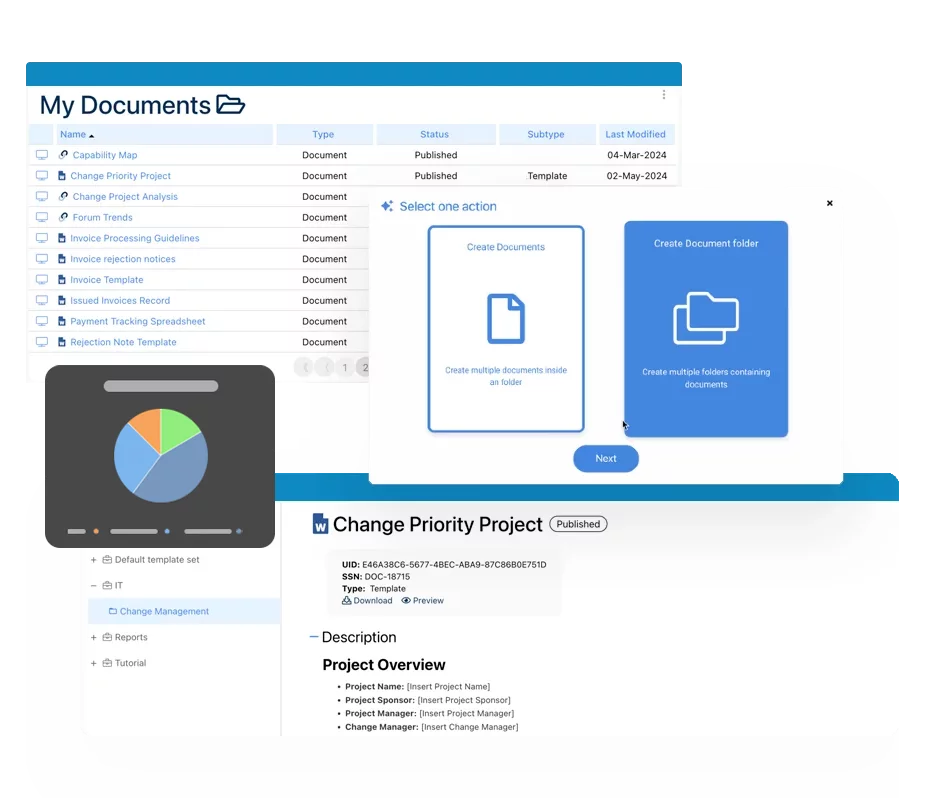 Elektronisches Qualitätsmanagementsystem (QMS)
 Risk, Governance & Compliance (GRC)
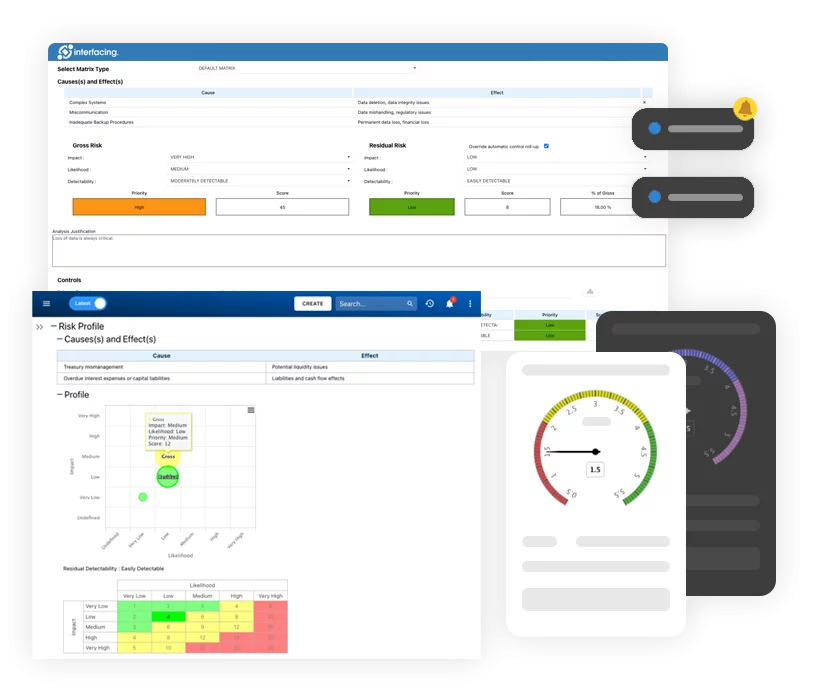 Schnelle Anwendungsentwicklung mit wenig Code (LC)
 Betriebliches Kontinuitätsmanagement (BCM)
 Unternehmensarchitektur (EA)
- Einhaltung gesetzlicher VorschriftenAnwendungsfälleLernzentrumRahmen & PraktikenEinhaltung gesetzlicher Vorschriften
 AnwendungsfälleLernzentrumRahmen & Praktiken







NIS2 Compliance: What Organizations Need to Know and How to Prepare in 2026
Please Select contact form.
How tighter requirements for risk, reporting, and supplier oversight will reshape your security and governance strategy.

Why NIS2 Matters
A common misconception is that NIS2 is purely a technical issue. In reality, it expands cybersecurity into a business-wide governance obligation. Boards and executives become accountable for oversight, training, and documented security practices. This shift reinforces a broader compliance trend across ISO 27001, DORA, GDPR, and industry-specific frameworks: regulators increasingly expect traceability, auditability, and embedded risk management. NIS2 also introduces:
- Mandatory incident reporting timelines
- Supply-chain due diligence expectations
- Tightened risk and control obligations
- Higher fines and personal liability for executives.
- Requirements for documentation, version control, and evidence tracking.
Organizations that treat compliance as a binder-based exercise will struggle. NIS2 demands operational proof, not static policies.


Who Must Comply
NIS2 applies to essential and important entities in sectors including:
- AI governance and risk management systems (RMS).
- Continuous compliance through post-market monitoring and auditing.
- Energy, water, waste management
- Transport, aviation, logistics
- Healthcare, pharmaceuticals, medical device manufacturing
- Digital infrastructure and service providers
- Finance, banking, and insurance
- Public administration and government-related services
Even companies outside these sectors may be affected if they are part of the supply chain of an essential entity. This challenges the common assumption that “NIS2 is only for large enterprises.” Mid-sized suppliers, IT service providers, and specialized operators are now directly in scope through supply-chain requirements.


Dokumentation: Transformation, Governance und Kontrolle vorantreiben
· Gewinnen Sie in Echtzeitd umfassende Einblicke in Ihre Abläufe.
· Verbessern Sie Governance, Effizienz und Compliance.
· Sorgen Sie für nahtlose Einhaltung von regulatorischen Standards.

eQMS: Automatisierung von Qualitäts- und Compliance-Workflows und Berichten
· Vereinfachen Sie das Qualitätsmanagement mit automatisierten Workflows und Überwachung.
· Optimieren Sie CAPA, Lieferantenaudits, Schulungen und verwandte Workflows.
· Verwandeln Sie Dokumentation in
umsetzbare Erkenntnisse für Quality 4.0.

Low-Code Rapid Application Development: Beschleunigung der digitalen Transformation
· Erstellen Sie benutzerdefinierte, skalierbare Anwendungen schnell.
· Reduzieren Sie Entwicklungszeit und -kosten.
· Passen Sie sich schneller an und bleiben Sie agil angesichts sich wandelnder Kunden- und Geschäftsanforderungen.

KI zur Transformation Ihres Unternehmens!
KI-gestützte Tools sind darauf ausgelegt, Abläufe zu optimieren, Compliance zu verbessern und nachhaltiges Wachstum voranzutreiben. Erfahren Sie, wie KI:
· Mitarbeiterfragen beantworten kann.
· Videos in Prozesse umwandelt.
· Empfehlungen zur Prozessverbesserung und zu regulatorischen Auswirkungen gibt.
· eForms, Prozesse, Risiken, Vorschriften, KPIs und vieles mehr generiert.
· Regulatorische Standards in fragmentierte Anforderungen zerlegt.