






What a Digital Twin Organization Really Is
A Digital Twin Organization is not a dashboard, a simulation, or a reporting construct.
A Digital Twin Organization is a continuously aligned digital representation of how an organization operates, including its processes, roles, controls, documents, risks, systems, and governance relationships.
The key word is aligned.
A DTO reflects how work is designed and governed today, not how it was documented months ago or summarized after results are reported.


What a Digital Twin Organization Is Not
Most DTO initiatives fail because they start from incorrect assumptions.
A Digital Twin Organization is not:
- A visualization layer built on top of disconnected systems
- A static enterprise model created during a transformation project
- A collection of process diagrams stored separately from execution
- A simulation environment used only for planning
- A KPI dashboard with no operational context
When DTOs are treated this way, they add complexity instead of clarity.


What a Digital Twin Organization Actually Enables
When implemented correctly, a Digital Twin Organization provides something more valuable than visibility.
It provides decision confidence.
A functioning DTO allows leaders to:
- Understand how changes ripple across processes, documents, roles, and controls
- Assess impact before approving change, not after audits or incidents
- Maintain alignment between operations, quality, risk, and compliance
- Govern consistently without relying on manual coordination
This capability becomes essential as organizations grow more complex and regulated.

How Interfacing Supports a Practical Digital Twin Organization
Interfacing does not treat a Digital Twin Organization as a visualization exercise or an architectural artifact. It is built as an execution-first operating model, grounded in how work is designed, governed, and run.
The foundation is process architecture, not dashboards. Interfacing’s Business Process Management capability establishes a maintained view of how work flows end-to-end, who owns it, and where decisions, controls, and handoffs occur. This process backbone becomes the structural frame of the digital twin, ensuring it reflects operational reality rather than reporting assumptions.
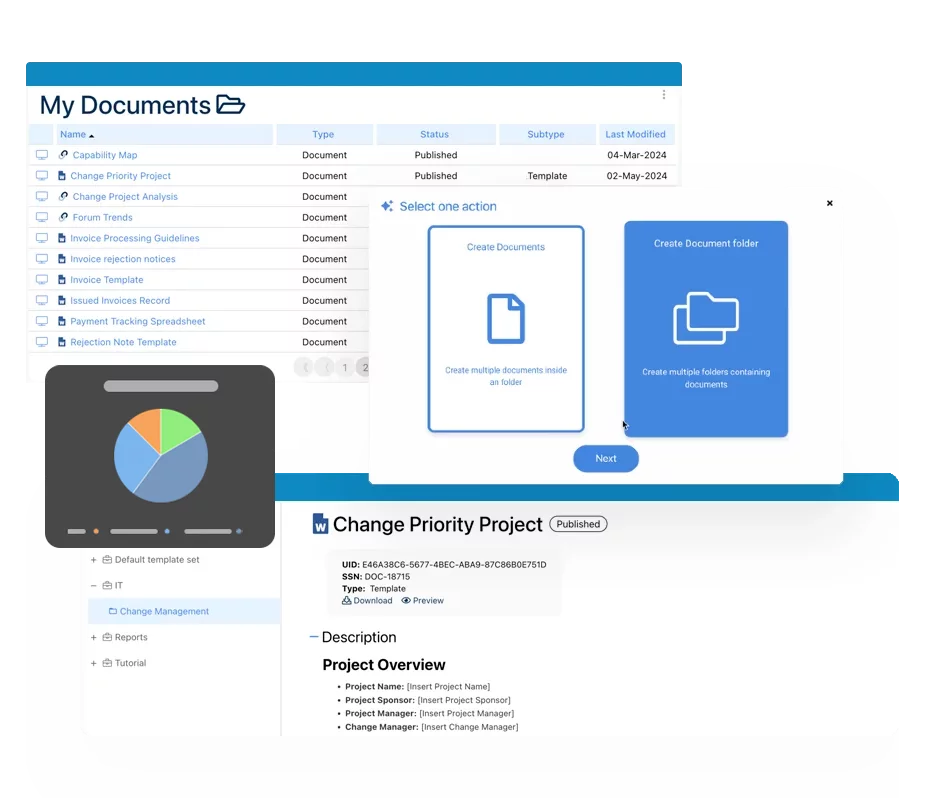
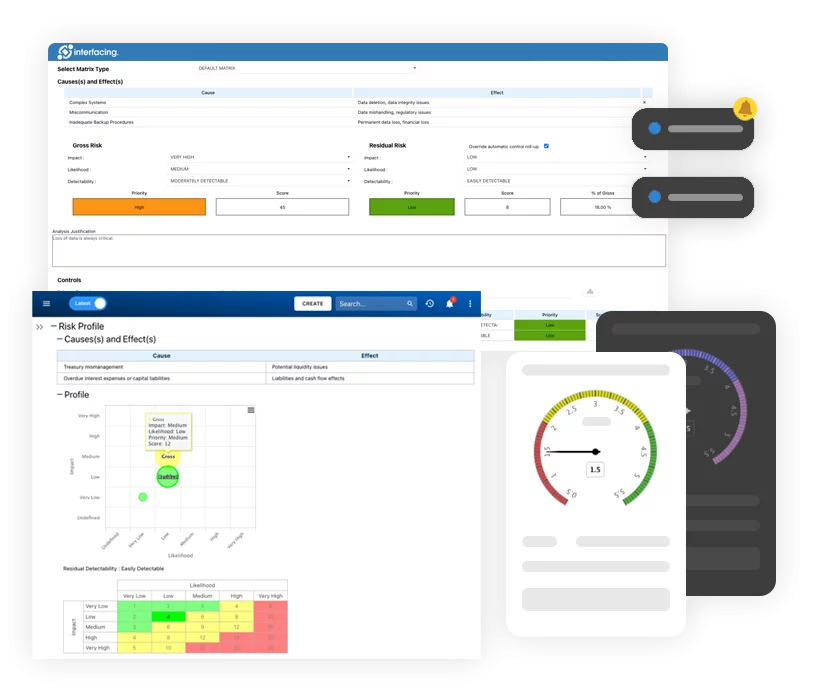
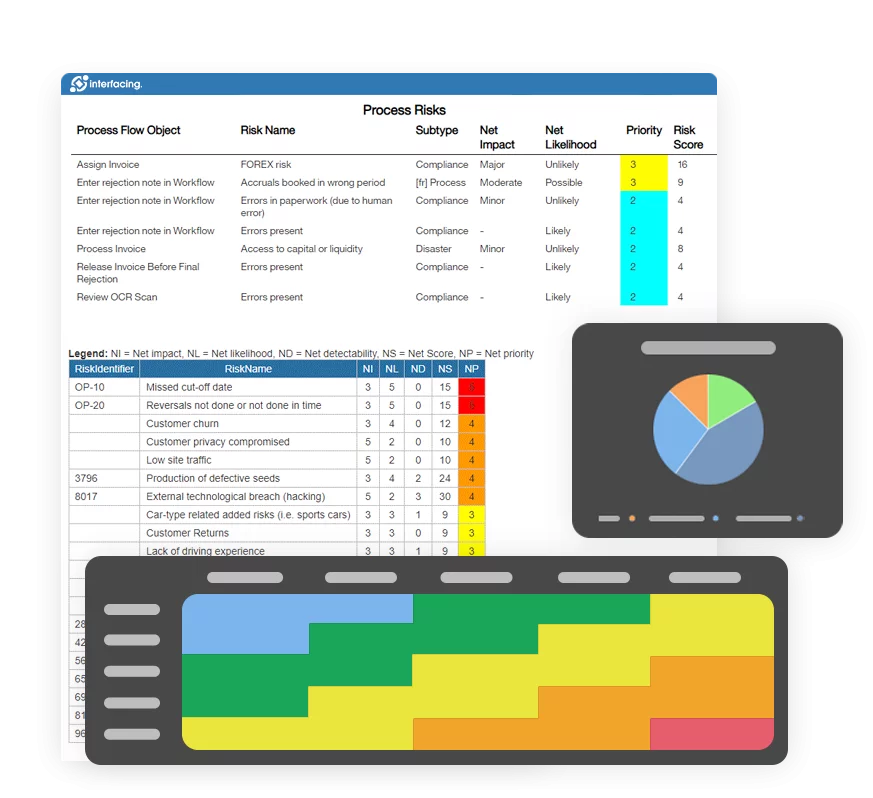
Governance is embedded directly into execution. Quality requirements, regulatory obligations, risks, controls, and controlled documents are explicitly linked to the processes they govern through Interfacing’s Integrated Management System. When a process changes, the system shows what else is affected, including documents, training, controls, and audits, without relying on spreadsheets or tribal knowledge.

Closing the Last Mile, From Models to Execution
Most organizations are not short on models. They are short on execution.
Interfacing closes this last mile by treating models as deployable operational assets, not static documentation. Process and decision models define activities, inputs, outputs, service levels, controls, escalation paths, and ownership. Models are designed to run, not just to explain.
As execution occurs, telemetry flows back to process owners. The digital twin stays aligned because it is fed by real activity, not periodic reviews. Controls are not referenced externally. They are embedded in the process itself.
This is what prevents DTOs from becoming shelfware.
Low-code workflows automate execution where appropriate, but always within governed processes, avoiding the creation of unmanaged automation.
AI is applied deliberately. Interfacing uses AI to assist discovery, analysis, and impact awareness inside this governed structure. AI does not replace judgment or operate independently of controls, ensuring insight remains explainable and defensible.

Documentation: Driving Transformation, Governance and Control
• Gain real-time, comprehensive insights into your operations.
• Improve governance, efficiency, and compliance.
• Ensure seamless alignment with regulatory standards.

eQMS: Automating Quality & Compliance Workflows & Reporting
• Simplify quality management with automated workflows and monitoring.
• Streamline CAPA, supplier audits, training and related workflows.
• Turn documentation into actionable insights for Quality 4.0

Low-Code Rapid Application Development: Accelerating Digital Transformation
• Build custom, scalable applications swiftly
• Reducing development time and cost
• Adapt faster and stay agile in the face of
evolving customer and business needs.
AI to Transform your Business!
The AI-powered tools are designed to streamline operations, enhance compliance, and drive sustainable growth. Check out how AI can:
• Respond to employee inquiries
• Transform videos into processes
• Assess regulatory impact & process improvements
• Generate forms, processes, risks, regulations, KPIs & more
• Parse regulatory standards into requirements