

Interfacing

sales@interfacing.com

Many digital transformation initiatives fail not because of weak technology, but because the governance layer behind execution was never defined. Without clear process structure, accountability, and control, organizations automate fragmentation instead of improving operations. Sustainable transformation depends on a governed operating model.

The Hidden Governance Layer Behind Digital Transformation

Overview

Many organizations invest heavily in digital transformation technologies such as automation, analytics, and AI-assisted platforms. Yet despite these investments, transformation programs often stall or fail to deliver expected operational improvements.

The missing ingredient is rarely technology. More often, the failure stems from the absence of a clearly defined governance layer connecting processes, roles, risks, and operational accountability.

Why Technology Alone Cannot Transform an Organization

Digital transformation initiatives frequently begin with the deployment of new technologies. Organizations adopt workflow automation tools, analytics platforms, or low-code development environments hoping that technology will modernize operations.

However, technology does not define how work should be performed.

Without a structured operating model, organizations end up automating fragmented processes rather than improving them. Automation then accelerates inefficiencies instead of resolving them.

This is why many transformation initiatives create isolated improvements but fail to deliver enterprise-wide operational impact.

The Governance Layer Most Organizations Overlook

The governance layer of an organization sits between strategy and execution. It defines how work is structured, who is responsible for outcomes, and how risk and compliance are embedded into operations.

This layer typically includes:

  • process hierarchies and

  •  value streams

  • defined roles and

  •  responsibilities

  • operational controls and policies

  • regulatory requirements

  •  and compliance obligations

  • performance indicators and risk metrics


When this governance layer is poorly defined or missing entirely, transformation initiatives lack the operational structure required for sustainable change.

The Operating Model as the Foundation of Transformation

A governed operating model provides the structure that digital transformation technologies require in order to succeed.

The operating model connects strategy with day-to-day operational execution by defining:

  • how capabilities translate into processes

  • how processes connect to roles and systems

  • how risk and compliance controls are embedded within workflows

This structure ensures that technology initiatives support real operational objectives rather than simply introducing new tools into the organization.

Without this structure, transformation programs often create disconnected digital initiatives that fail to scale across the enterprise.

Why Governance Matters More in Regulated Industries

The importance of governance becomes even more pronounced in regulated sectors such as life sciences, aerospace, energy, and financial services.

Organizations operating in these environments must maintain clear traceability between:

  • regulatory requirements

  • operational procedures

  • risk controls

  • employee responsibilities

Digital transformation in these sectors must therefore ensure that operational changes remain auditable, transparent, and compliant with evolving regulatory frameworks.

A well-governed operating model allows organizations to modernize processes while maintaining the visibility and control required by regulators and internal audit teams.

AI-Assisted Transformation Requires Even Stronger Governance

The introduction of AI-assisted technologies into enterprise environments adds another layer of complexity.

AI systems can provide powerful insights, automation support, and operational recommendations. However, they must operate within clearly defined governance structures that ensure accountability and explainability.

Organizations that deploy AI without governance risk creating black-box decision environments where operational accountability becomes unclear.

In contrast, organizations that embed AI into a governed operating model can use AI-assisted insights to support human decision-making while maintaining clear oversight and traceability.

The Real Measure of Transformation Success

Successful digital transformation is not defined by how many technologies an organization deploys.

It is defined by whether the organization improves how work is governed, executed, and continuously optimized.

Technology can accelerate transformation, but governance ensures that transformation moves in the right direction.

Organizations that recognize this hidden governance layer are far more likely to achieve sustainable operational improvement, regulatory resilience, and long-term strategic agility.

How Interfacing Enables Governance-Driven Transformation

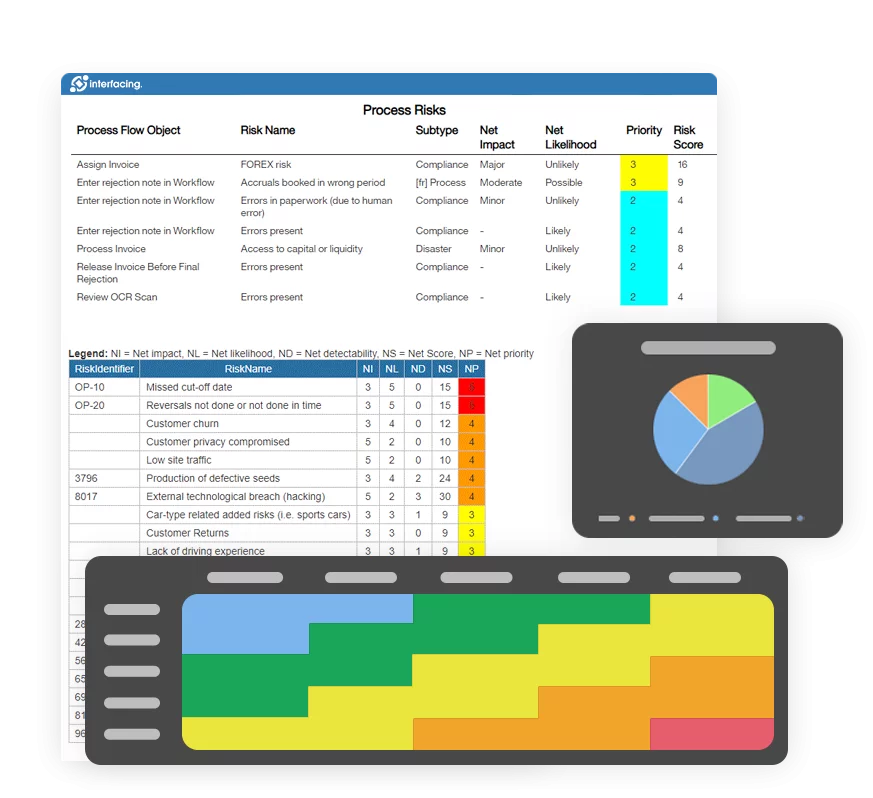
Interfacing supports organizations by enabling a governed operating model that connects processes, risks, compliance obligations, and operational performance into a unified environment.

Through its AI-assisted Integrated Management System, organizations can:

  • map enterprise process hierarchies and operating models

  • connect regulatory requirements to operational procedures

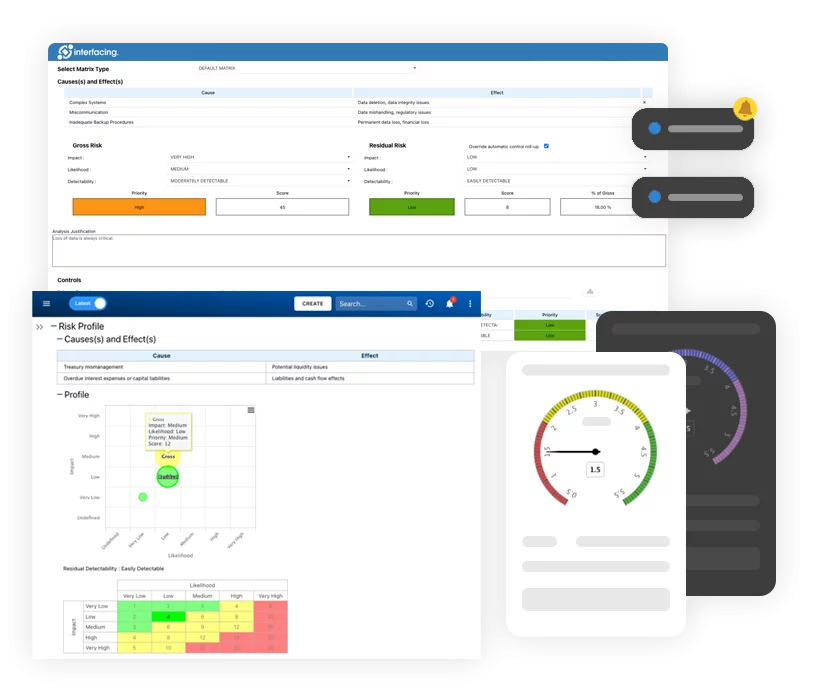
  • integrate risk and compliance monitoring directly into workflows

  • maintain traceable governance structures across global operations

This approach allows digital transformation initiatives to evolve from isolated technology deployments into coordinated enterprise transformation programs.

Why Choose Interfacing?


With over two decades of AI, Quality, Process, and Compliance software expertise, Interfacing continues to be a leader in the industry. To-date, it has served over 500+ world-class enterprises and management consulting firms from all industries and sectors. We continue to provide digital, cloud & AI solutions that enable organizations to enhance, control and streamline their processes while easing the burden of regulatory compliance and quality management programs.

To explore further or discuss how Interfacing can assist your organization, please complete the form below.

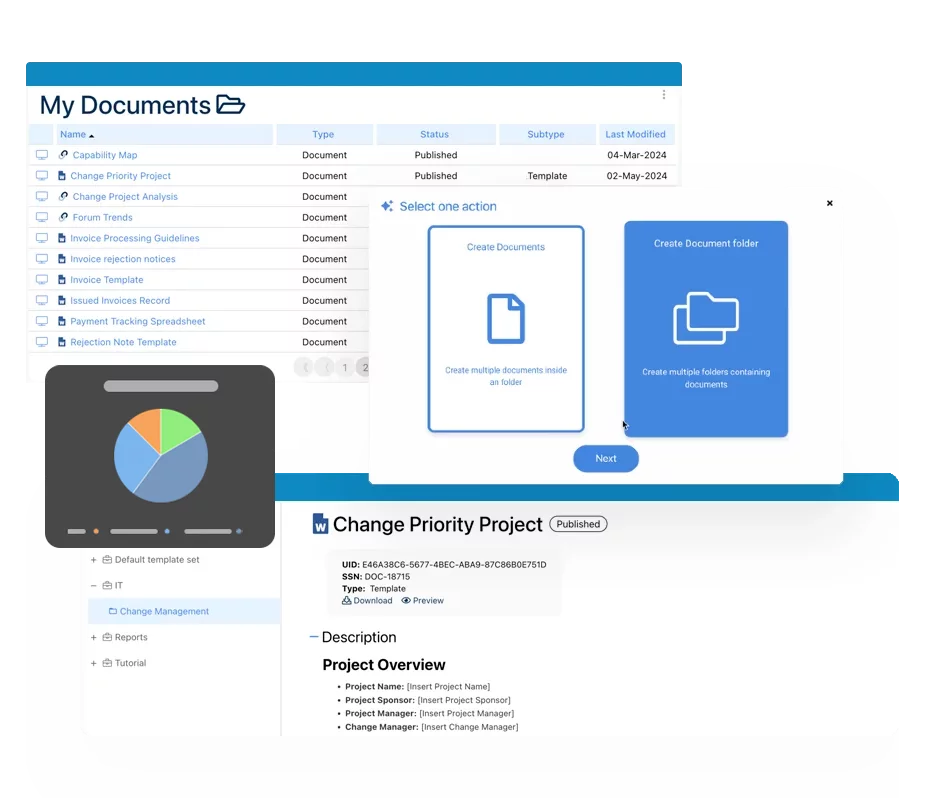
Documentation: Driving Transformation, Governance and Control

• Gain real-time, comprehensive insights into your operations.
• Improve governance, efficiency, and compliance.
• Ensure seamless alignment with regulatory standards.

eQMS: Automating Quality & Compliance Workflows & Reporting

• Simplify quality management with automated workflows and monitoring.
• Streamline CAPA, supplier audits, training and related workflows.
• Turn documentation into actionable insights for Quality 4.0

Low-Code Rapid Application Development: Accelerating Digital Transformation

• Build custom, scalable applications swiftly
• Reducing development time and cost
• Adapt faster and stay agile in the face of evolving customer and business needs.


AI to Transform your Business!

The AI-powered tools are designed to streamline operations, enhance compliance, and drive sustainable growth. Check out how AI can:
• Respond to employee inquiries
• Transform videos into processes
• Assess regulatory impact & process improvements
• Generate forms, processes, risks, regulations, KPIs & more
• Parse regulatory standards into requirements


Learn more about EPC's AI Use Cases
CONTACT US

Request Free Demo

Document, analyze, improve, digitize and monitor your business processes, risks, regulatory requirements and performance indicators within Interfacing’s Digital Twin integrated management system the Enterprise Process Center®!
Trusted by Customers Worldwide!

More than 400+ world-class enterprises and management consulting firms